
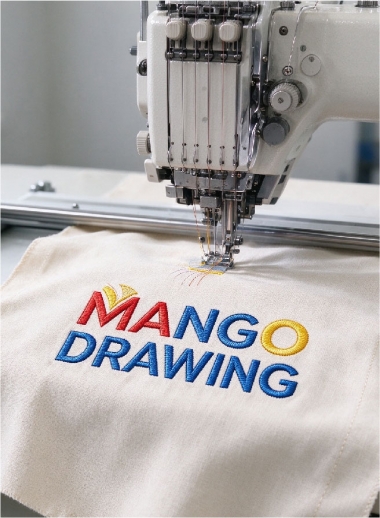
What Should You Look for in a Digitizing Partner?
Here's a checklist that you should keep handy while looking for a digitizing partner:
What to Check | Why It Is Important | Mango Drawing Approach |
Digitizing method | Cleaner, sharper stitches | Digitized by hand |
Proof before production | Catch errors early | Scan and sew out proof overnight |
File formats | Works on your machine | DST, EMB, PES |
Conclusion
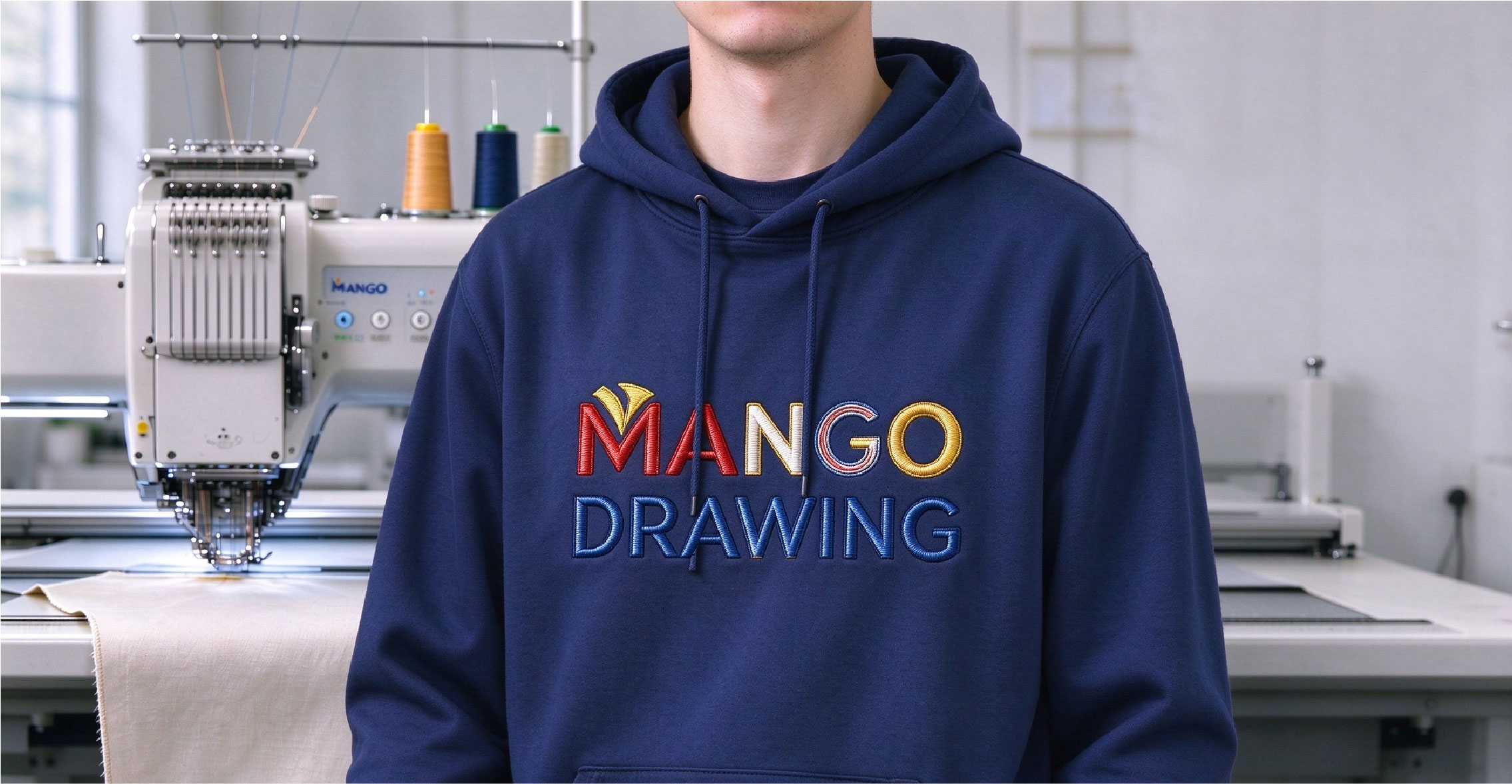
One bad stitch file can wreck a hundred fabrics. Be it puckered logos or snapped threads, any imperfections in the embroidery can ruin the overall aesthetic of a remarkable piece of art. If you don't want that for your embroidery, go for Mango Drawing. With years of experience and after serving hundreds of customers, Mango Drawing makes it easy for you to turn every stitch into a stunning embroidery.
Key Takeaways:
● A flawless embroidered logo starts with a well-prepared stitch file.
● Rising demand means more providers, so vet carefully.
● It's better to choose hand digitizing over auto tracing for cleaner stitches.
● Check the method, proof, file formats, and resolutions.
● Mango Drawing offers 24-hour delivery and a refund guarantee.
FAQs
1. What is embroidery digitizing?
Embroidery digitizing is the process of converting a logo or artwork into a file that an embroidery machine can read and stitch. It tells the machine where to place each stitch, which direction to run it, and which thread color to use.
2. Why does digitizing quality affect the final embroidery?
A well-made file gives you clean edges, smooth fills, and sharp small details. A poorly made one can cause puckering, thread breaks, and designs that look different from the original artwork.
3. What affects the cost of embroidery digitizing?
The biggest factors are the stitch count and the complexity of your design. Larger and more detailed artwork needs more stitches and more careful setup, so it costs more.