
BLOG
Our Blogs
How to Choose a Reliable Vector Conversion Service?
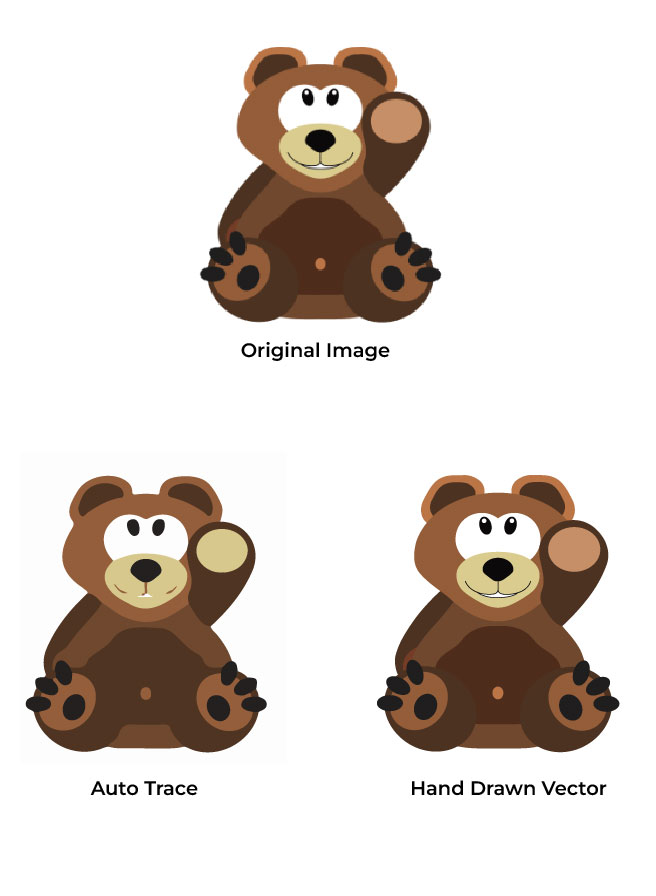
One fuzzy logo can undo months of brand building, and if your brand knows this, selecting a reliable vector conversion service is the need of the hour. Wondering how to pick a company for vector conversion? Well, sharp, scalable artwork can be quite easy to achieve with the right partner, and if you are looking for one that can draw your artwork by hand, deliver files ready for print, and back every order with a clear guarantee, here's a five-point checklist that you can consider. 1. Do They Draw By Hand or Auto Trace Would you like to see your logo stretched across a surface with jagged edges? No, right? Well, software tracing often leaves wobbly lines and messy shapes, but with manual drawing, the case is different. Make sure that the vector conversion service you choose draws every project by hand, so lines stay crisp at any size.
Read more...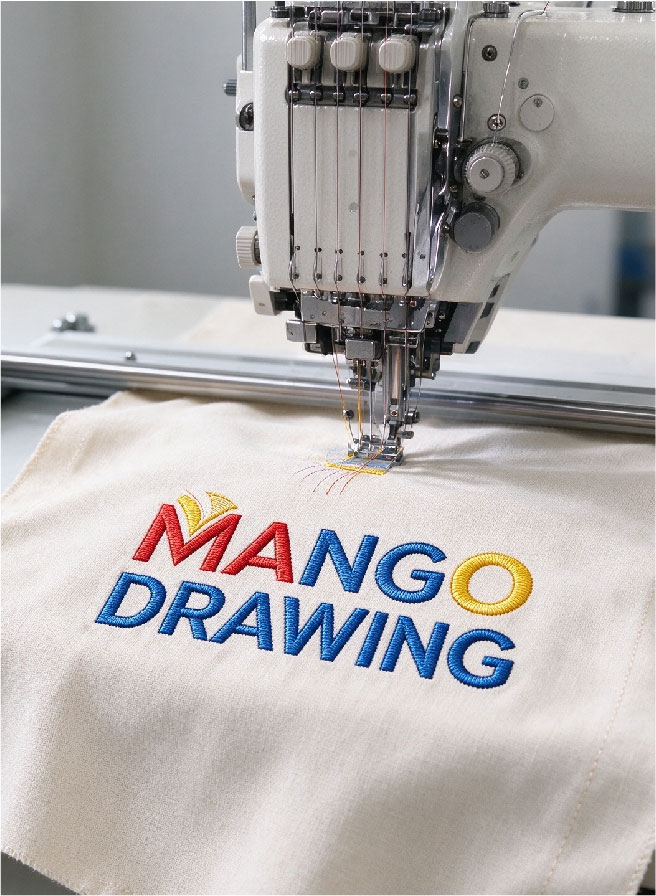
How to Choose the Best Embroidery Digitizing Company?
Introduction Every flawless embroidered logo starts with an exceptional stitch file. Behind each crisp letter, smooth edge, and vibrant finish stands a digitizer who understands exactly how thread behaves on fabric. If you are wondering how to choose the best embroidery digitizing company, the answer is straightforward: You need to choose a team that digitizes every design by hand, verifies it with a stitched sample, and has a refund policy in place. If you are still unsure how to find the right embroidery digitizing company, here's a guide to help you get started. But First, Why is Embroidery Digitizing Quality Important? In the embroidery market, demand is booming. According to market research firm SkyQuestt, the global embroidery market was valued at USD 4.34 billion in 2025 and is projected to reach USD 7.41 billion by 2033. When the demand is so high, everyone tries to push into the industry, but not all of them treat embroidery with care. Your stitch file might be the blueprint for them, but when the blueprint is weak, or the quality is subpar, it costs you time, customers, and sometimes even your reputation!
Read more...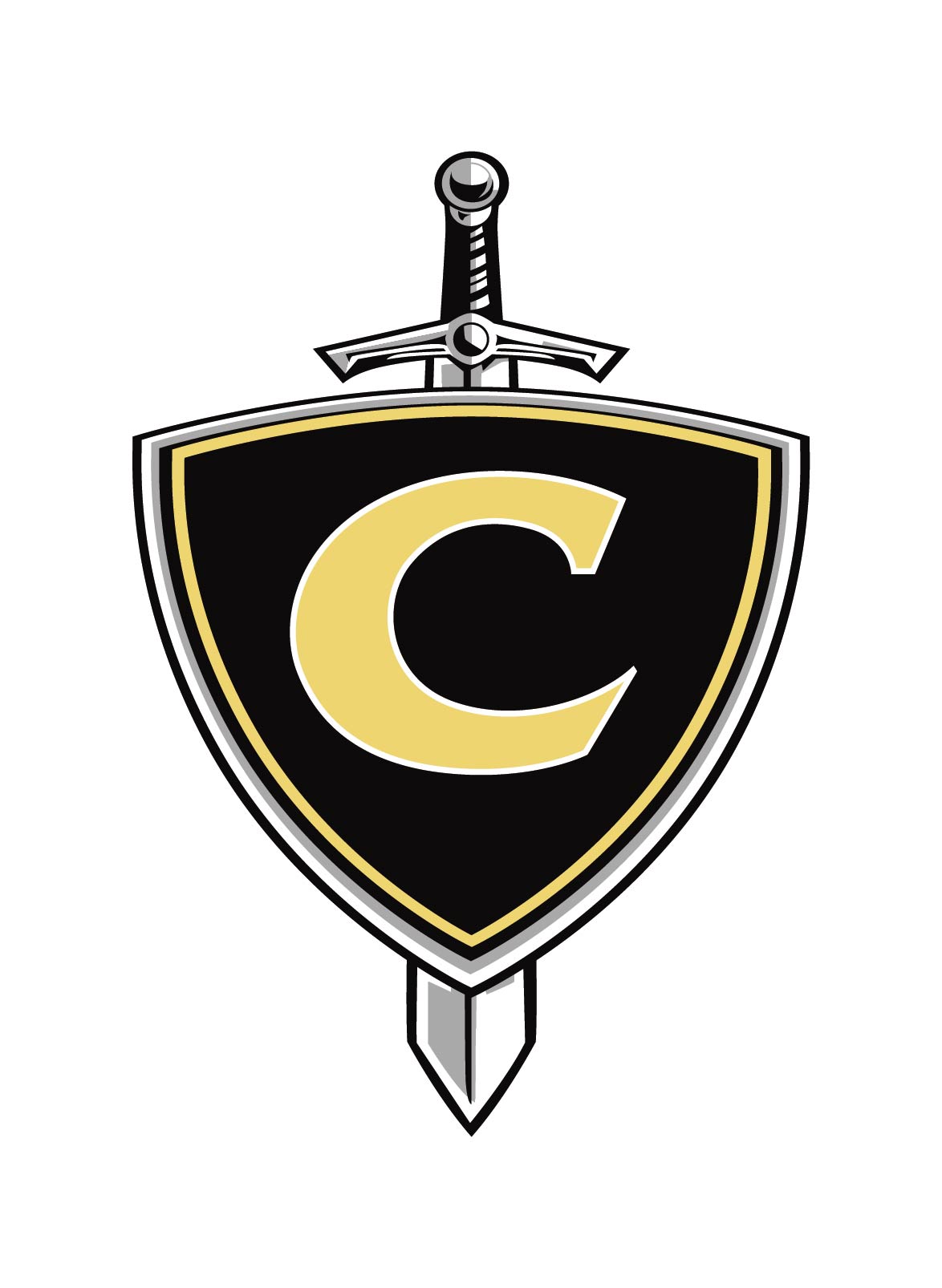
How to Convert Raster Images into Vector Artwork
Introduction Imagine having an image that becomes blurry when enlarged. Sounds annoying, right? Indeed, it is! Thus, to preserve the clarity and crispness of raster images, converting them matters. Wondering: Can any raster image be converted into a vector? The answer is ‘yes’. The conversion process involves careful analysis and tracing the original image manually, recreating the design as smooth and clean vector paths. Let’s discover the steps involved in converting raster images into vector artwork in detail!
Read more...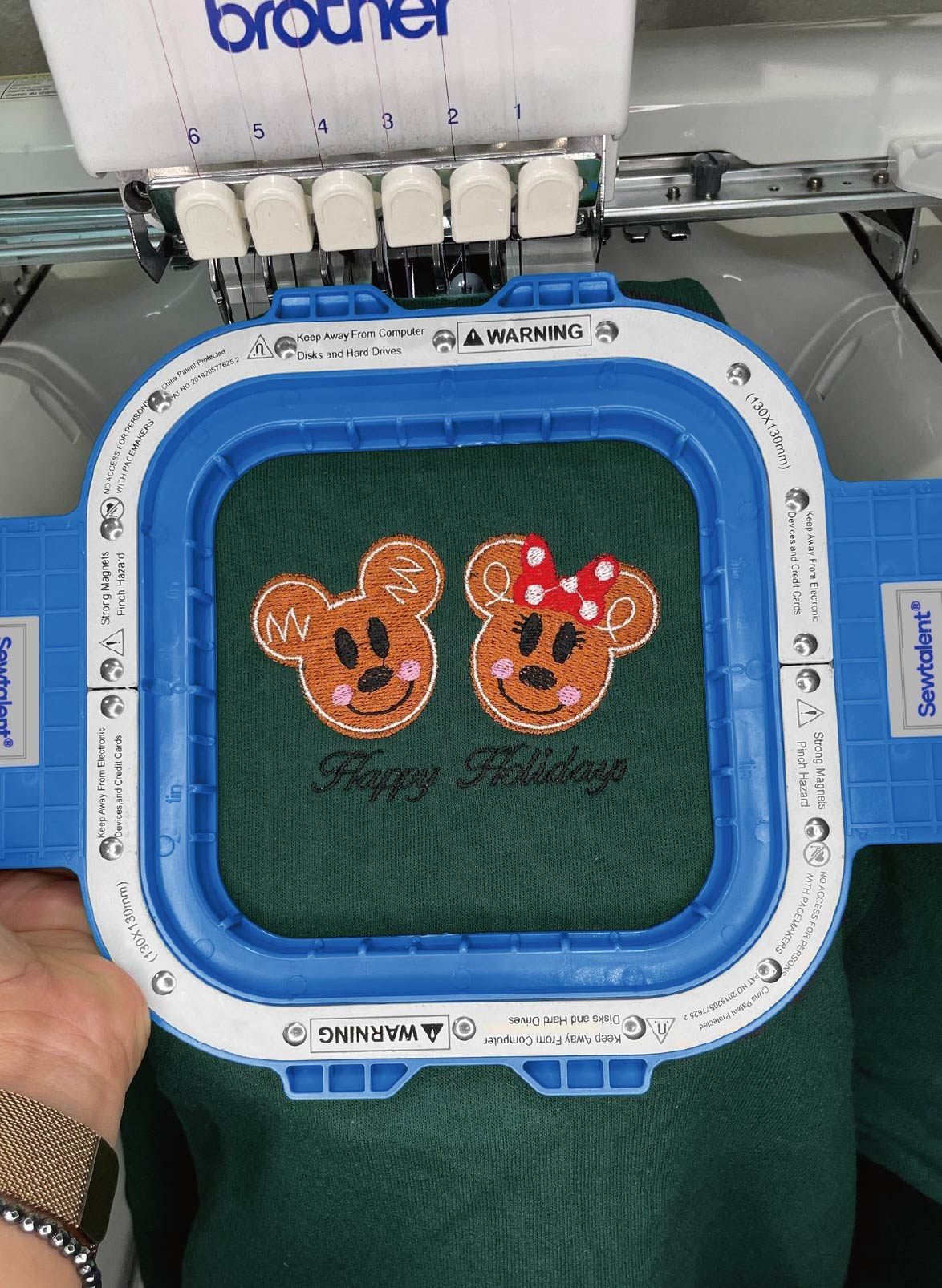
How to Convert a Logo into an Embroidery File?
Introduction Every stitch on a jacket, cap, or uniform starts as nothing more than a flat logo, and the transformation from pixels to thread is a science that most brands never think about until their embroidered patch comes out looking like a blob. Wondering how logo-to-embroidery conversion works? Well, for professionals, converting a logo into an embroidery-ready format simply means turning your artwork into a stitch file (like DST or EMB) through a process called embroidery digitizing, where every line becomes a mapped path that an embroidery machine can actually sew. Need more information on this subject matter? Dive into this guide for details!
Read more...