
Professional Raster to Vector Conversion Services
If you have a logo, sketch, or piece of artwork that looks blurry, pixelated, or simply something artistic that refuses to scale up cleanly, you need a raster to vector conversion service that you can trust. Understanding this, at Mango Drawing, our hand-drawn vector artists turn low-quality raster files into crisp, scalable, production-ready vector graphics, with no auto-tracing software involved ever.
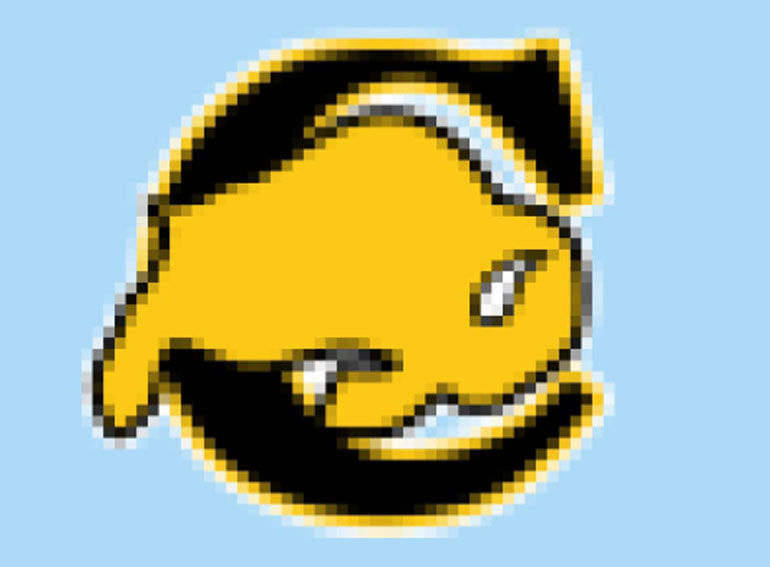
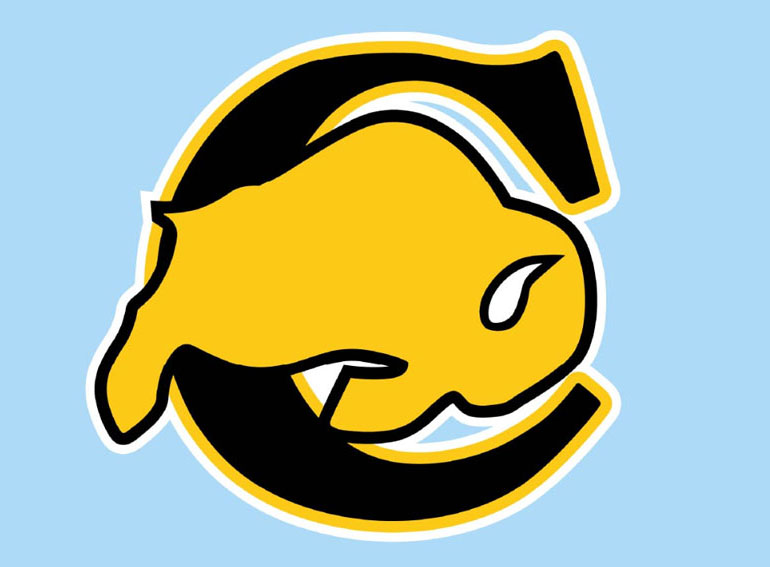
Whether you are preparing artwork for embroidery, screen printing, signage, or large-format printing, our team delivers clean, editable vector files that hold their shape and sharpness at any size.
What is Raster to Vector Conversion?
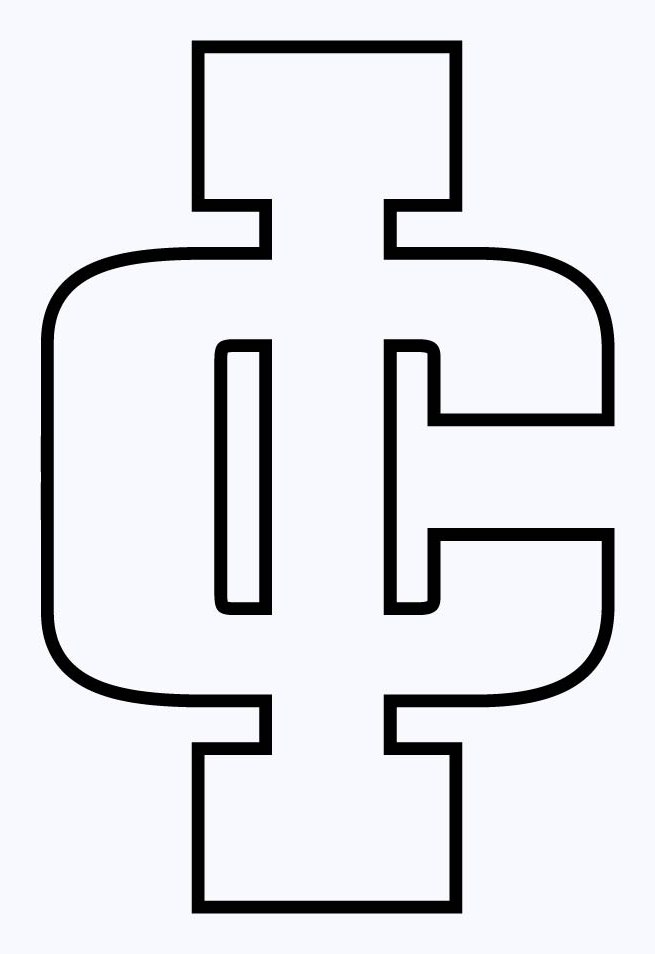
Almost every digital image falls into one of two categories: raster or vector. While a raster image, such as JPG, PNG, BMP, TIFF, or GIF, is made up of thousands of tiny colored squares called pixels, a vector graphic works completely differently. Instead of pixels, it’s built from mathematical points, lines, and curves, and this makes vector artwork resolution-independent, which means it can be scaled up to the size of a billboard or down to the size of a business card without losing a single ounce of sharpness or detail.
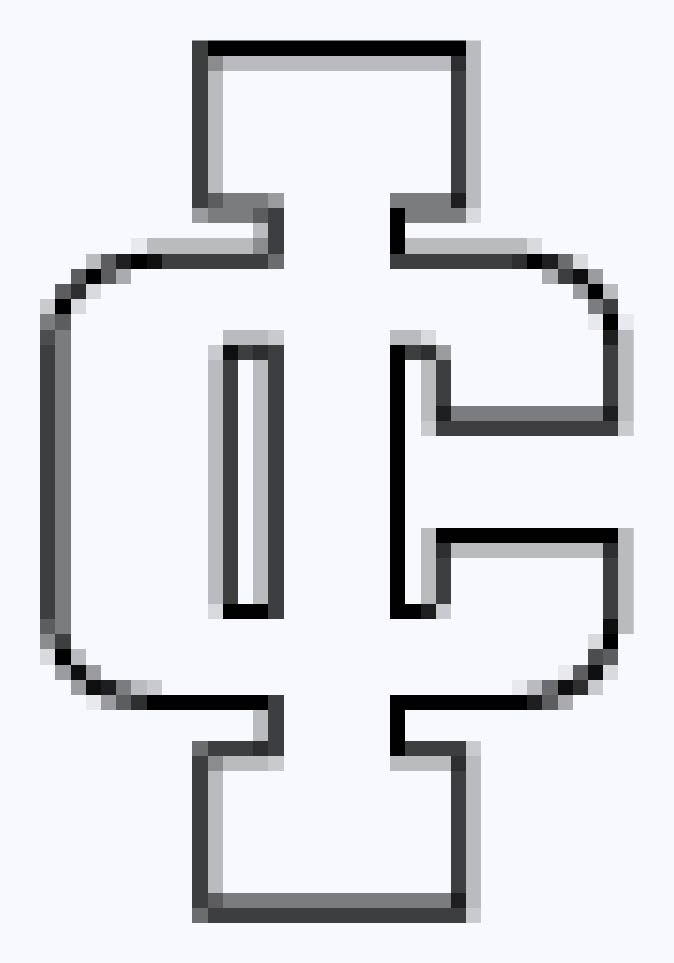
On the other hand, when you zoom in far enough in a raster image, the pixels become visible as a blocky, jagged mess, and this is why raster files lose clarity the moment you try to enlarge them beyond their original resolution.
This is exactly why businesses search for converting raster to vector art services, so the transformation takes a fixed, pixel-based file and rebuilds it as smooth, infinitely scalable artwork. No matter if you are working with an old scanned logo, a low-resolution product photo, or hand-drawn artwork, bitmap-to-vector conversion services from Mango Drawing offer you a permanent, high-quality master file that you can use across every application, from a tiny embroidered patch to a full vehicle wrap.
Raster Pixels vs Sharp Vector Paths
Why Manual Vector Conversion Is Better Than Auto Tracing
There’s a massive difference between artwork traced by software and artwork drawn by a skilled vector artist by hand, and it shows the moment your file goes to print or production.
Automated tracing tools scan an image and generate paths based on contrast and color changes, and the result often looks “close enough” on screen, but it falls apart under real production conditions. On the other hand, a manual raster-to-vector conversion service focuses on the human eye that has a thorough idea of design intent, not just pixel patterns. To clear things up, here’s why manual conversion consistently outperforms auto tracing:
Smoother Curves
For one, hand-traced paths follow naturally, without the jagged, stair-stepped edges that auto-trace software often leaves behind, so you get smoother curves on your design.
Fewer Anchor Points
With cleaner paths, only nodes are needed, which makes files lighter and easier to work with.
Better Editability
Manual conversion offers you the benefit of logically grouped shapes and paths that designers can actually modify, rather than working with a tangled mess of nodes.
Accurate Typography
In manual raster to vector art services, fonts are rebuilt with true letterforms instead of being approximated as rough outlines, which offers you accurate typography.
Cleaner Production Files
The manual process eradicates stray points, overlapping shapes, or broken paths that can cause errors during cutting, engraving, or embroidery.
Higher Print Quality
You also get crisp edges and precise color separation in the final product that hold up at any size or resolution.
Thus, when a file needs to be embroidered, engraved, or printed at a large scale, these small differences make a massive impact on the final result, and that’s why our artists hand-draw every single project, without any shortcuts or software guesswork.
Types of Artwork We Convert
Confused about what are the types of artwork can be converted from raster to vector? No matter the condition of your original artwork, our team can rebuild it as a clean vector file. We regularly convert a drawing into vector format for clients across countless industries, including:
Company Logos
where we restore old, blurry, or low-resolution logo files into crisp, scalable vectors.
Hand-Drawn Sketches
with pencil or ink drawings that are redrawn as polished digital vector art.
Product Labels
including packaging artwork that’s rebuilt for accurate printing and production.
Icons
like small graphic elements that our team recreates with clean, accurate lines.
Illustrations
that involve detailed artwork faithfully reproduced in vector format.
Clipart
with legacy graphics being converted into modern, editable vector files.
Scanned Artwork
of physical documents and images that are digitized and vectorized.
Signage
which is artwork prepared for cutting, engraving, and large-format output.
Technical Drawings
with precise line work rebuilt for manufacturing and engineering use.
Promotional Graphics
including designs that are converted for apparel, giveaways, and marketing materials.
Whether your original file is a faded scan or a rough sketch on paper, we can convert a drawing into vector artwork that’s ready for professional use and is clean, accurate, and true to your original design.
Supported Vector File Formats
Have questions about which file formats support vector files? Well, once your artwork has been converted, we deliver it in the vector file format that best matches how you plan to use the visuals. Each format we deliver serves a different purpose, like:
which is the industry-standard editable format that’s ideal for designers who need full control over layers, paths, and colors
a widely compatible format that works across nearly all design and printing software, which makes it a safe choice for professional production
which is otherwise known as a lightweight, web-friendly format, perfect for websites, apps, and digital media that need to stay sharp on any screen size
a universal format that’s easy to share, view, and print without needing specialized design software
that’s commonly used by sign shops and print businesses that operate on CorelDRAW-based workflows
on the other hand, is the preferred format for laser cutting, engraving, and CNC routing, since it’s built for precision manufacturing equipment
For editing and design work, AI and CDR are typically best. However, when it comes to printing, EPS and PDF are the safest, most universally compatible choices. For cutting and manufacturing processes, DXF and SVG are usually the go-to formats, so if you have doubts about the format, our team is more than happy to deliver your converted artwork in multiple formats at once.
What are the Applications of Vector Artwork?
Most people think that vector files are just about aesthetics, but that’s wrong because they are a functional necessity across dozens of production processes. Once your artwork has gone through raster to vector conversion, it becomes usable for several applications, including:
In a nutshell, if your business depends on any of these production methods, a clean vector file is imperative to serve as the foundation of everything visual.
Our Raster to Vector Conversion Process
Every project we take on follows a consistent, quality-focused workflow designed to protect the accuracy of your original artwork while making it fully scalable:
Artwork review
where our team examines your raster file to understand its details, colors, and any areas that may need extra attention
Manual vector tracing
at which stage a skilled artist hand-traces your artwork point by point, rebuilding every shape and line from scratch
Shape refinement
to clean up and optimize paths and remove unnecessary anchor points for smoother, lighter files
Font recreation
if your artwork includes text, we rebuild the lettering as true, editable vector type rather than a rough outline
Color matching
where colors are carefully matched to your original artwork or supplied brand guidelines
Quality assurance
because before we move to the delivery stage, every file is reviewed for accuracy, clean paths, and production readiness before it leaves our team
Final file delivery
when your completed artwork is delivered in your requested format, ready for immediate use
This is everything that you need to know about our process, but if you have any doubts, our team is just a call away.
Why Choose Mango Drawing?
At Mango Drawing, we have spent years focused on one thing: converting artwork by hand the right way. Here’s what sets our raster to vector conversion service apart:
Manual vector artists
Every project is hand-drawn, never auto-traced.
Fast turnaround
Most orders are completed in 24 hours or less.
Editable vector files
Our clients get organized, clean files you can actually work with.
Affordable pricing
Professional-quality conversion without the high price tag.
Multiple file formats
Formats that match your workflow.
Quality assurance
Every file is checked before delivery.
Experienced design team
Years of hands-on experience across countless industries.
Industries We Serve
Irrespective of industries, our quality remains intact, and at Mango Drawing, we take great pride in serving businesses across different industry verticals. Our raster to vector conversion services support businesses across a wide range of industries, including:
Print shops
Embroidery businesses
Marketing agencies
Apparel brands
Manufacturers
Packaging companies
Sign shops
Promotional product suppliers
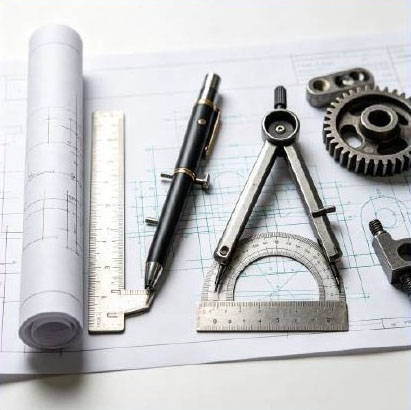
Engineering firms
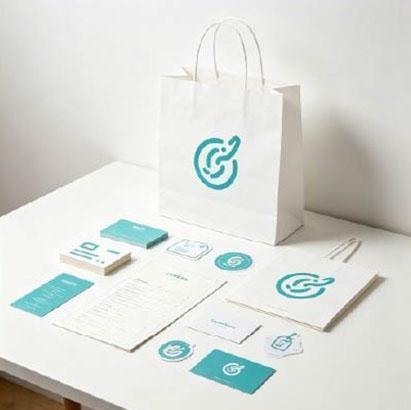
Small businesses
No matter your industry, if you work with artwork that needs to scale, print, cut, or stitch cleanly, our team can help!
Request a Free Quote!
Have a raster image that needs converting? Upload your artwork and get a no-obligation quote from our team. Simply send us your file, let us know how you plan to use it, and we will get back to you with pricing and an estimated turnaround time.
There’s no commitment required to find out how affordable professional raster-to-vector conversion can be. Get started today, and see the difference hand-drawn vector artwork makes.
Upload ArtworkFAQS
Can you convert low-resolution images into high-quality vector files?
Yes. We manually redraw low-resolution artwork to create clean, scalable vector graphics. While image quality affects the level of detail we can reproduce, our designers carefully recreate shapes, lines, and text for professional results.
Will my vector file be fully editable?
Yes. We deliver editable vector files with organized paths and layers where appropriate, making it easier to modify colors, text, or individual design elements in compatible software.
Can gradients and shadows be converted into vector artwork?
Yes. Depending on the intended use, gradients, shadows, and other effects can often be recreated using vector techniques while maintaining a clean and scalable design.
Is raster to vector conversion suitable for vinyl cutting?
Absolutely. Vinyl cutters require clean vector paths to produce accurate cuts. We create optimized vector files that are suitable for signage, decals, heat transfer vinyl, and similar applications.
Can you recreate missing or distorted parts of an image?
Yes. If parts of the original artwork are faded, cropped, or damaged, we can manually rebuild those elements to produce a complete and professional vector graphic.
What resolution should my original image have?
Higher-resolution images generally allow for more accurate conversion, but we can also work with lower-quality files. If the artwork is unclear, we may recommend adjustments to achieve the best possible result.
Are vector files suitable for both digital and print projects?
Yes. Vector graphics maintain sharp edges at any size, making them ideal for websites, marketing materials, business cards, banners, vehicle graphics, and large-format printing.
How do you ensure color accuracy during vector conversion?
We carefully match colors from the original artwork and, when available, use your brand guidelines or supplied color references to maintain consistency across print and digital applications.